About Autonomus Mobile Robots
ndustrial Automation is the use of intelligent machines, software, robotics, and control systems to perform manufacturing, material handling, and warehouse operations with minimal human intervention. It helps businesses improve productivity, reduce operational costs, increase safety, and achieve consistent quality across production and logistics processes.
As industries move toward Industry 4.0, Autonomous Mobile Robots (AMRs), Artificial Intelligence (AI), IoT connectivity, and smart automation solutions are transforming factories, warehouses, distribution centers, and manufacturing facilities. These technologies enable businesses to automate repetitive tasks, optimize workflows, and make real-time operational decisions.
What is an Autonomous Mobile Robot (AMR)?
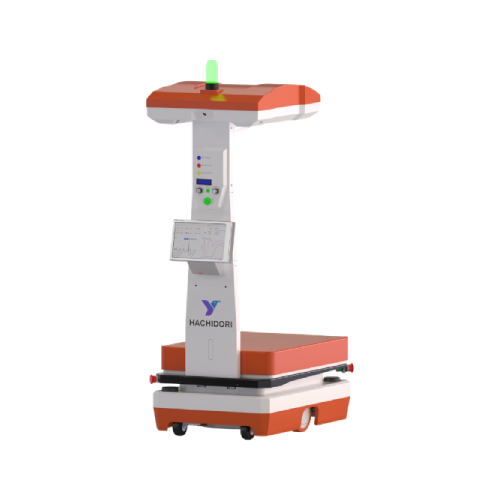
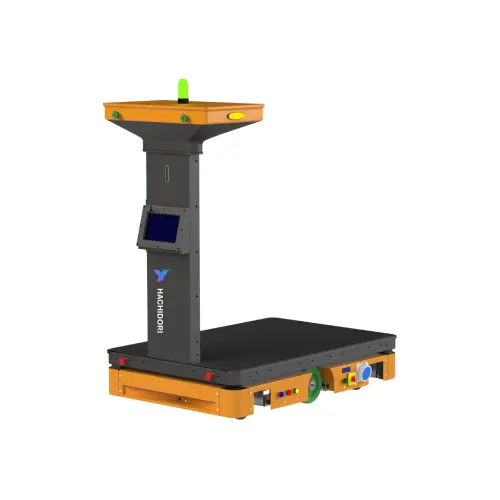
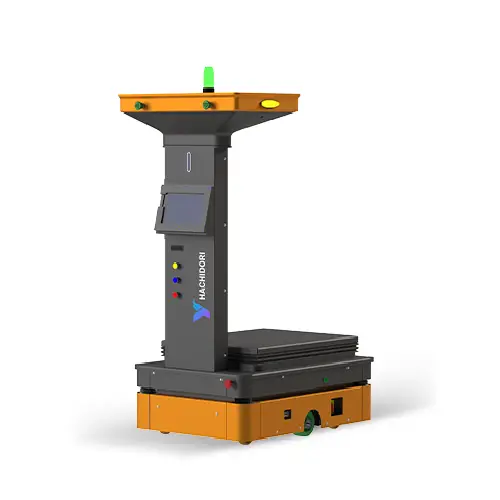
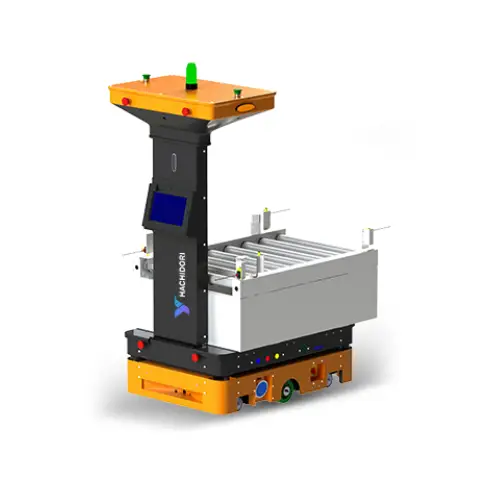
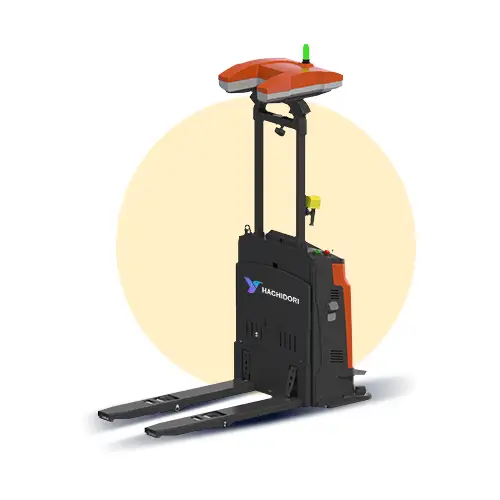
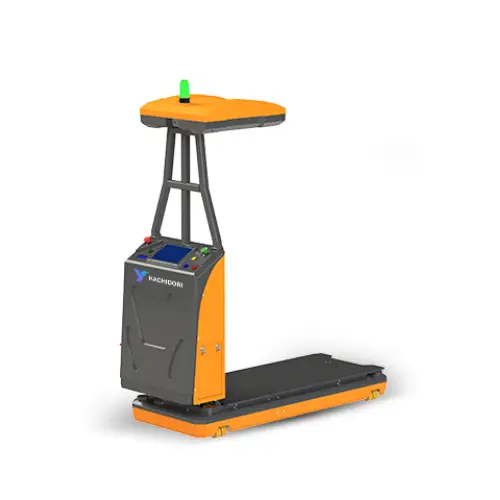
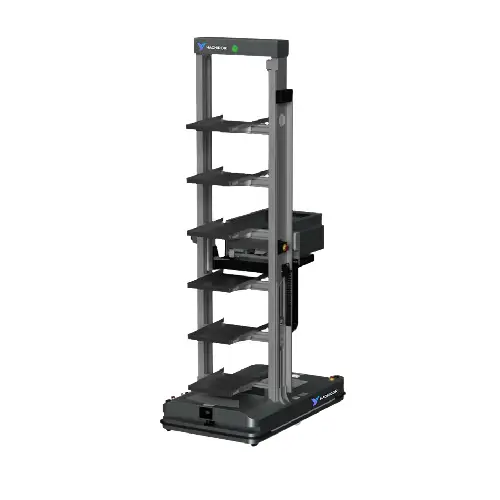
An Autonomous Mobile Robot (AMR) is an intelligent robot capable of navigating independently without fixed tracks, magnetic tapes, or physical guides. Using AI-enabled navigation, sensors, cameras, and advanced mapping technology, AMRs can safely move materials, transport goods, and automate repetitive logistics operations in dynamic industrial environments.
Unlike conventional Automated Guided Vehicles (AGVs), AMRs dynamically plan their routes, detect obstacles, and adapt to changing surroundings, making them ideal for modern warehouses and smart manufacturing facilities.
Major Components of an AMR System
An Autonomous Mobile Robot consists of several integrated hardware and software components that enable intelligent and safe operation.
1. AI Navigation System
The navigation system uses LiDAR, cameras, sensors, and AI algorithms to create maps, identify obstacles, and determine the most efficient path for transportation.
2. Drive & Motion Control
Electric motors, wheels, controllers, and steering mechanisms allow the AMR to move precisely while carrying different payload capacities.
3. Battery & Charging System
Rechargeable lithium-ion batteries provide long operating hours. Automatic charging stations allow robots to recharge without human intervention.
4. Safety Sensors
Laser scanners, obstacle detection sensors, emergency stop buttons, and collision avoidance systems ensure safe operation around people and equipment.
5. Fleet Management Software
A centralized control system manages multiple AMRs simultaneously, monitors robot health, assigns tasks, and optimizes workflow across facilities.
6. Communication System
Wireless communication through Wi-Fi or industrial networks enables seamless data exchange between robots, servers, and manufacturing execution systems (MES/WMS/ERP).
How AMRs Work
Autonomous Mobile Robots combine intelligent navigation with real-time decision-making to automate material movement.
The process typically includes:
- The control system assigns a transportation task to an available AMR.
- The robot calculates the most efficient route using AI-based navigation.
- Built-in sensors continuously monitor the surroundings and avoid obstacles automatically.
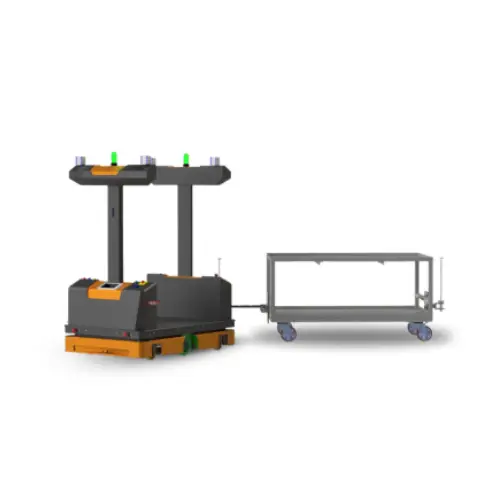
- The AMR safely transports products, pallets, bins, cartons, or trolleys to the destination.
- Upon task completion, the robot either receives the next assignment or automatically moves to a charging station when battery levels are low.
This intelligent workflow significantly improves productivity while reducing manual handling and transportation delays.
Our BESS Solutions
We offer customized Battery Energy Storage System (BESS) solutions designed for maximum efficiency, safety, and long-term performance. Our systems are engineered to meet the specific energy requirements of industrial, commercial, utility, and renewable energy applications.
Energy Assessment
Analyze energy demand and recommend the ideal BESS configuration.
System Design
Custom battery storage design for safe and efficient performance.
Installation
Professional installation with reliable electrical integration.
Monitoring
Real-time monitoring for battery health and energy performance.
Maintenance
Routine servicing ensures reliable and long-lasting system operation.